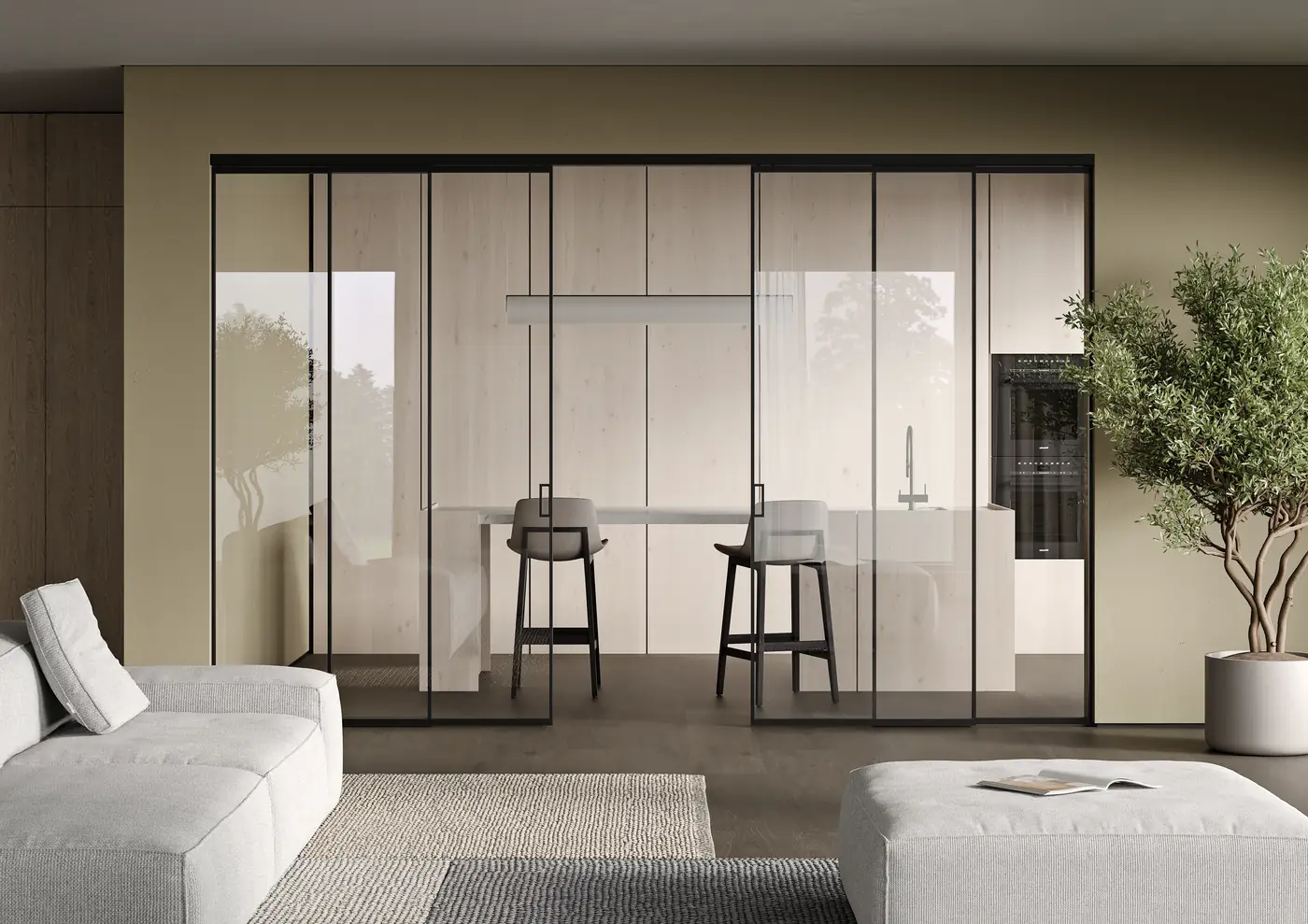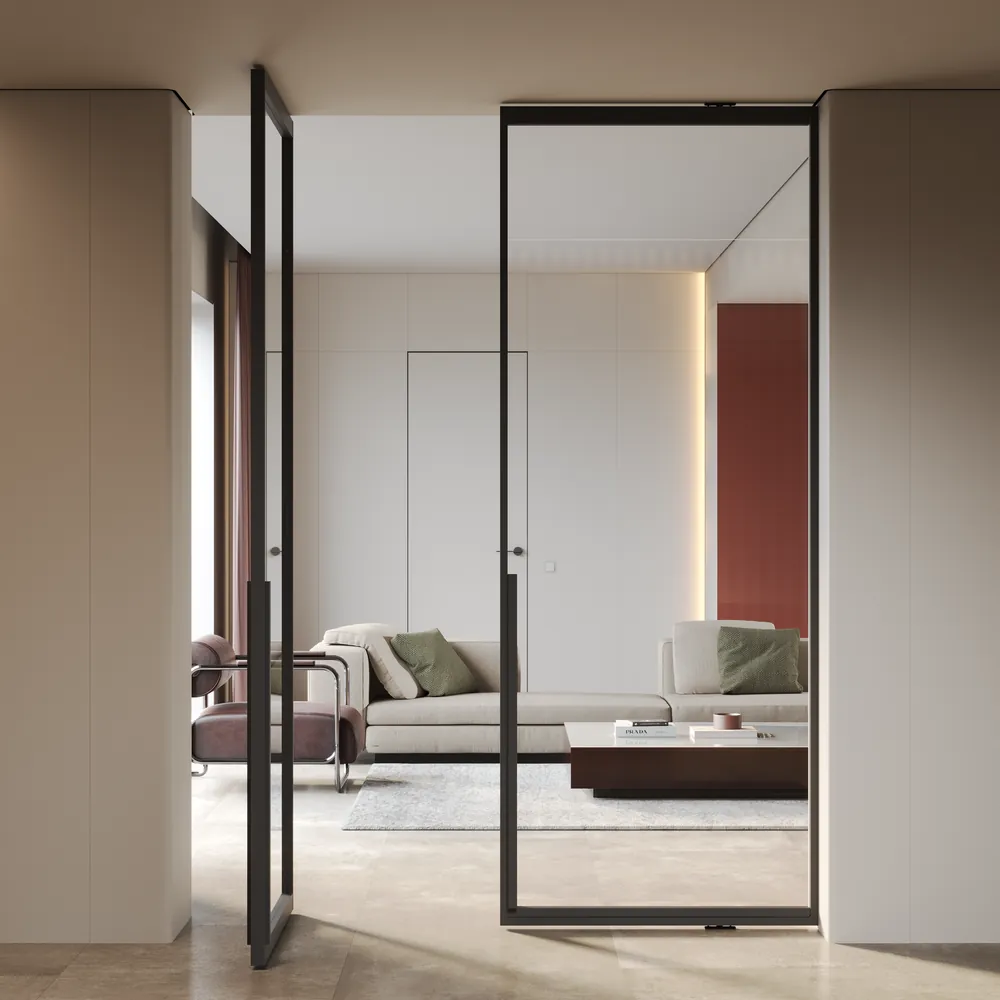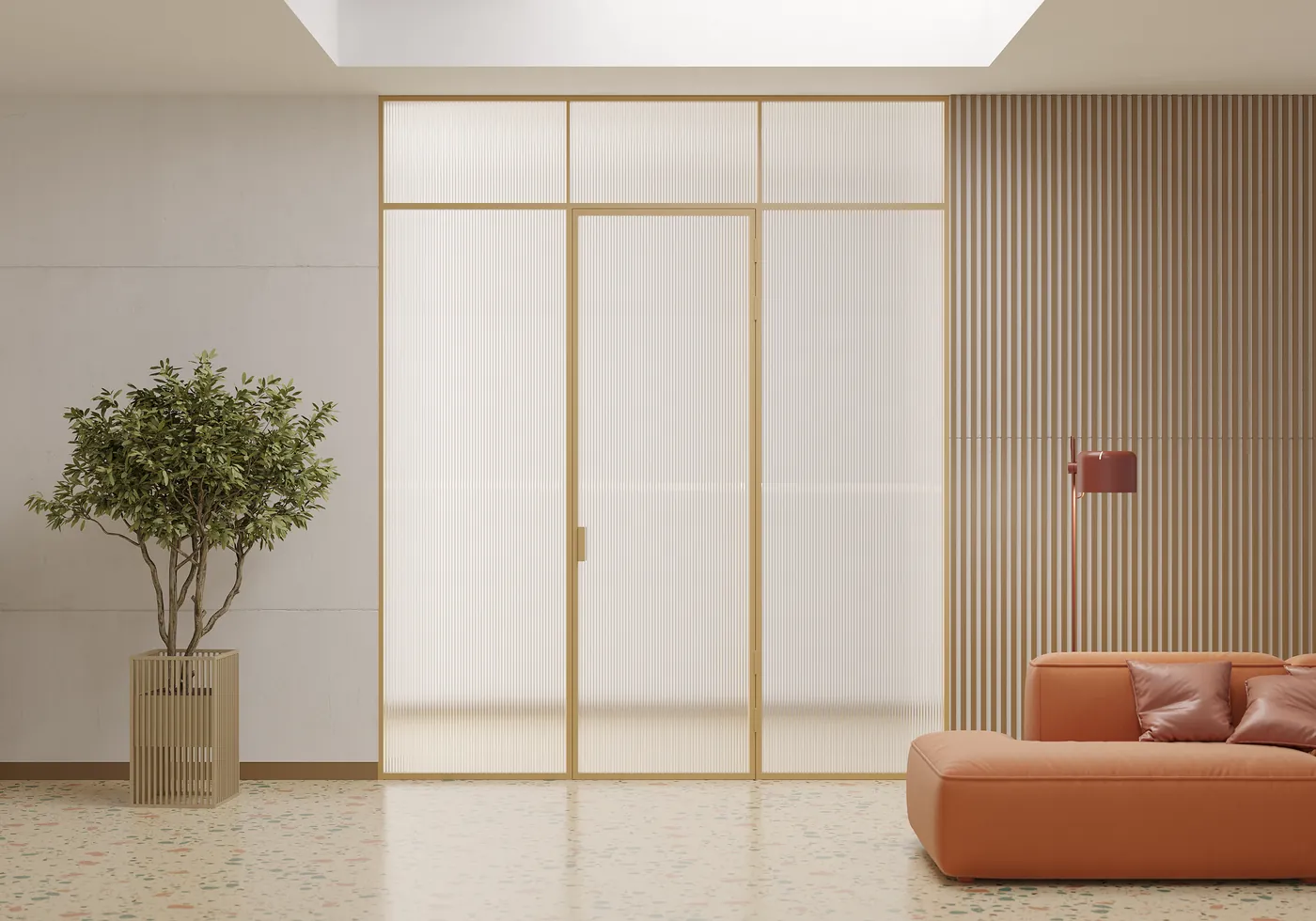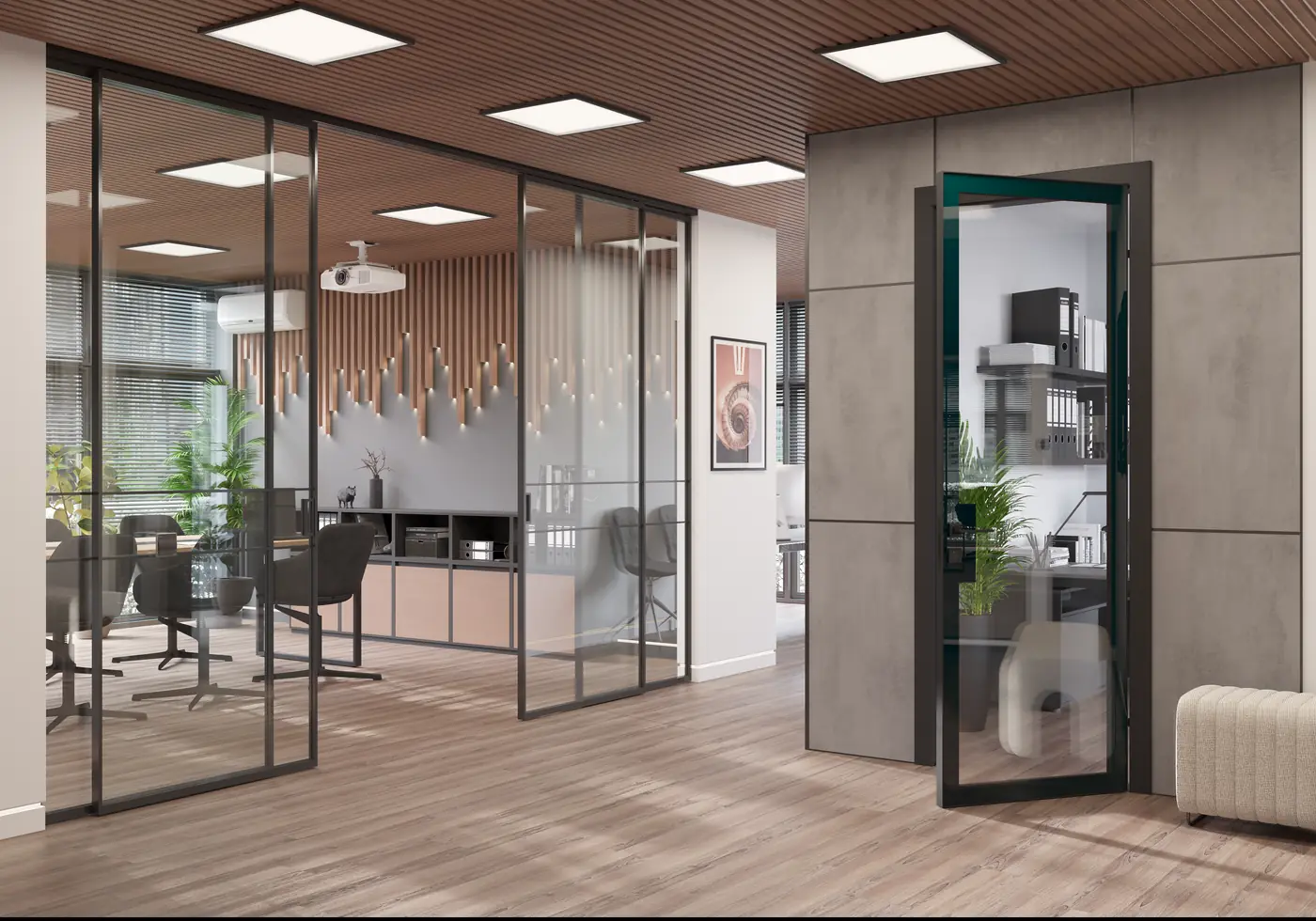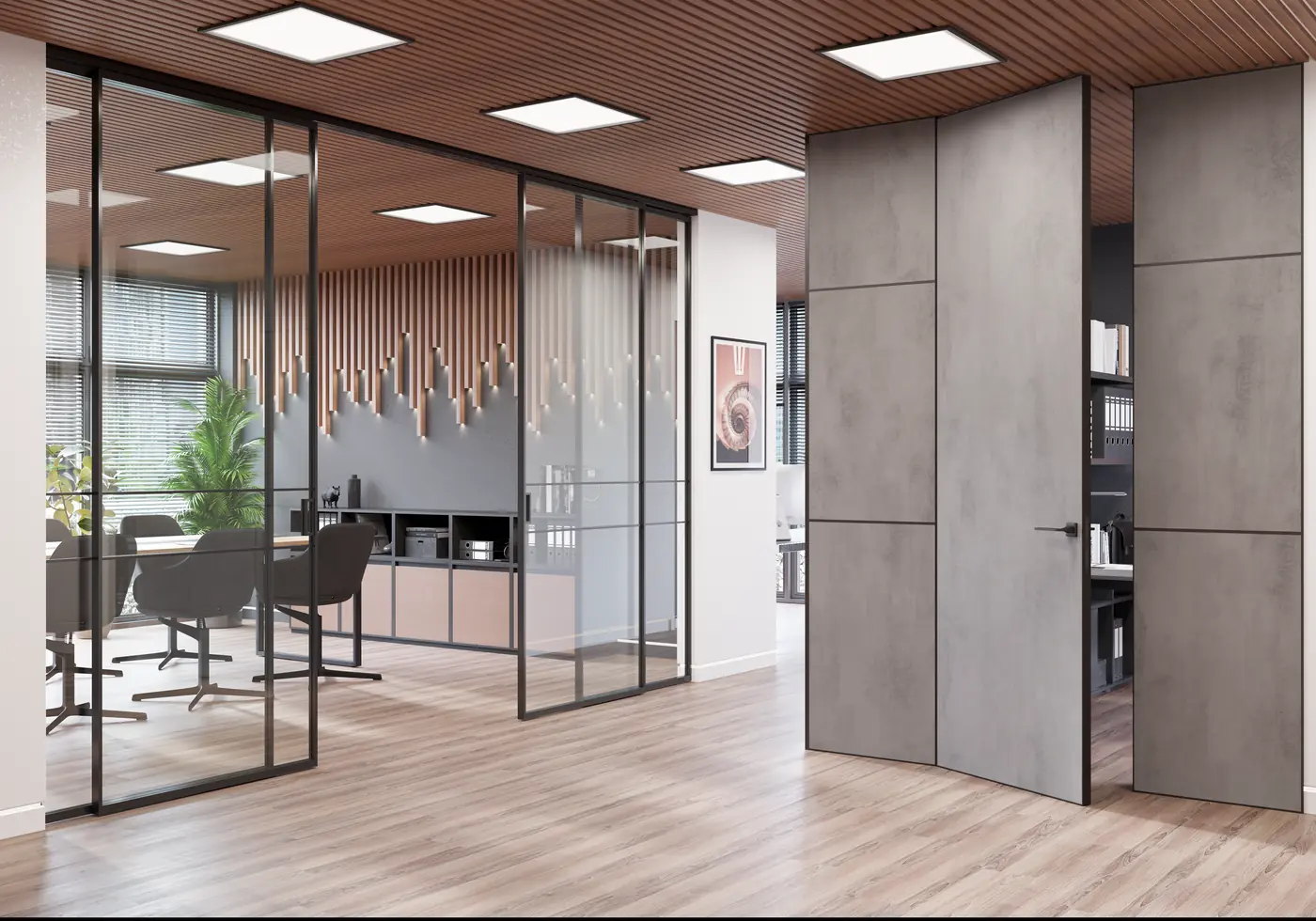
In modern architecture and interior design, space optimization is one of the main challenges. Aluminum space partitions are a structural solution that makes it possible to zone an area while preserving natural light and without reducing the visual volume. In Batumi’s dynamic urban development, where the number of offices and premium residential spaces is growing, this technology is especially relevant.
Technical Characteristics of an Aluminum Space Partition
Aluminum structures stand out for their high strength and low weight. Unlike steel, aluminum is resistant to corrosion, which is critically important in Batumi’s humid climate. The structure consists of an extruded aluminum profile that ensures stable fixing of the glass panels.
Profile Systems and Durability
The thickness and shape of the profile are selected to withstand mechanical loads. By 2026 standards, thermal-break profiles are used, which improve energy efficiency and sound insulation. The aluminum surface is treated using electrostatic powder coating, which protects it from scratches and environmental effects.
Glass Partitions and the Light Factor
A glass partition makes it possible to maintain a high level of natural daylight. Office partitions are often fitted with toughened (Tempered) or triplex-type glass, which increases the level of safety.
Safety Standards
Tempered glass is 5 times stronger than ordinary glass. If it breaks, it shatters into small blunt pieces, which minimizes the risk of injury. Triplex, in turn, consists of several layers bonded together with a special polymer film. This film holds the fragments in place even when the glass breaks.
The Office Partition as a Tool for Functional Zoning
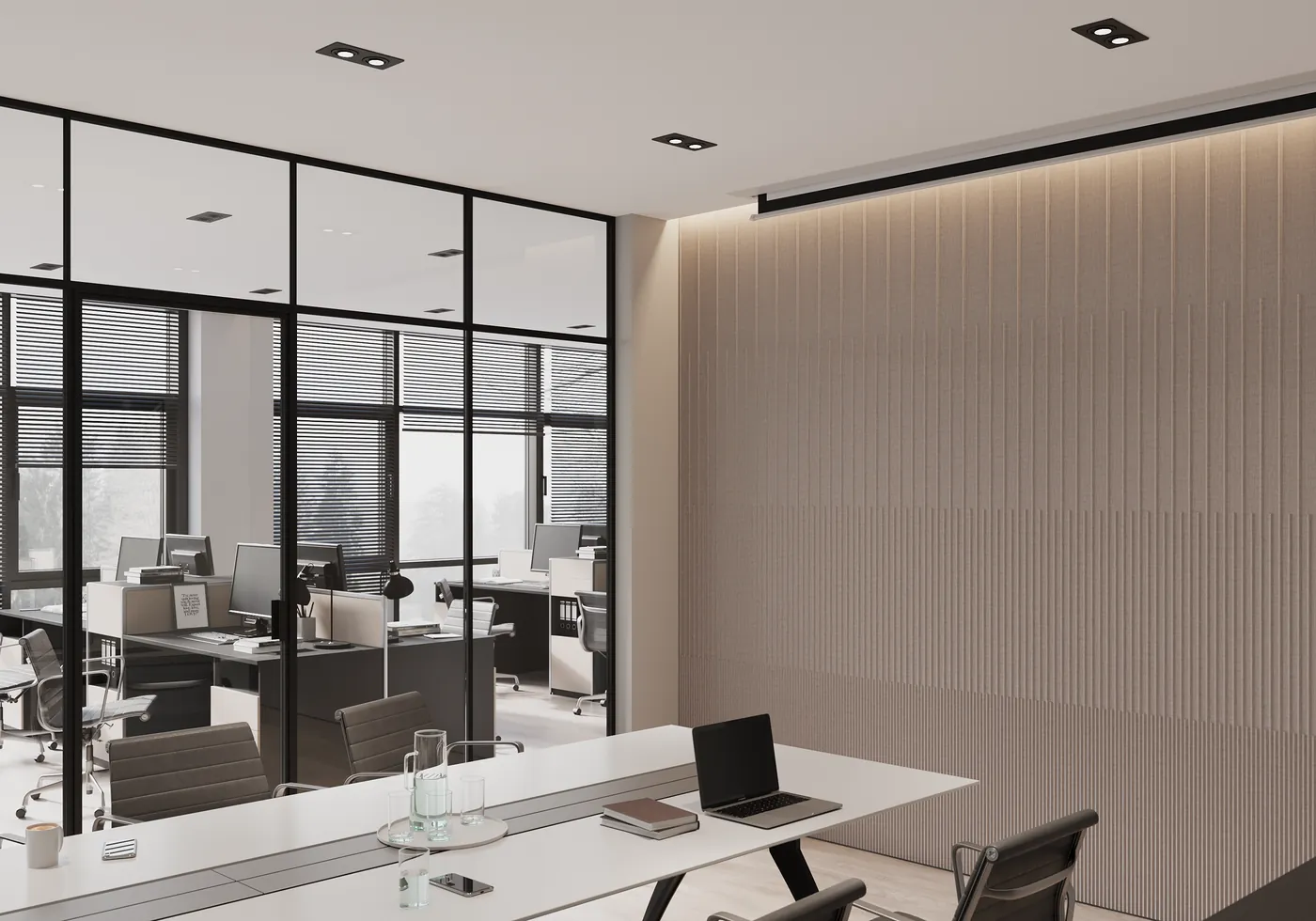
In office spaces, aluminum partitions are used to separate conference rooms, private offices and shared work areas. Their main advantages are mobility and speed of installation.
Acoustic Comfort in the Working Environment
Sound insulation is one of the main requirements when planning an office. Thanks to special rubber seals, aluminum partitions provide sound insulation of 30 to 35 decibels, which is entirely sufficient for the confidentiality of the work process.